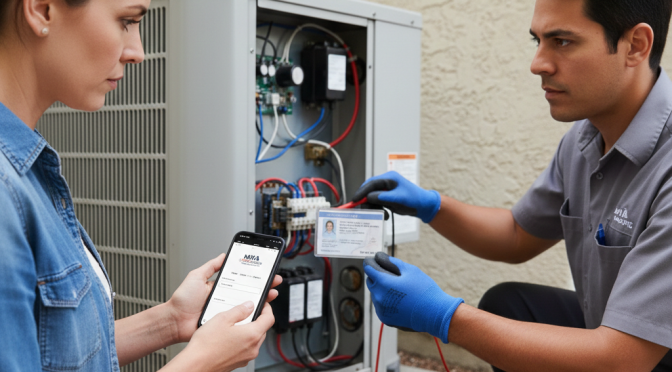
Houston’s sweltering summers make air conditioning more than just a luxury—it’s a necessity. When your AC unit breaks down during a Texas heatwave, you need fast, reliable AC repair in Houston that won’t break the bank. But how do you know when to call a professional versus attempting a DIY fix? This comprehensive guide covers everything Houston homeowners need to know about air conditioning repair.
Why Houston’s Climate Demands Reliable AC Repair Services
Houston experiences extreme heat and humidity from May through September, with temperatures regularly exceeding 95°F. According to Reddit users in r/houston, “AC failure in Houston isn’t just uncomfortable—it’s dangerous. I’ve seen indoor temperatures hit 110°F within hours of AC failure.” This makes having a trusted HVAC repair company on speed dial essential for every Houston homeowner.
The combination of intense heat and high humidity creates unique challenges for air conditioning systems in Houston. Your AC unit works overtime compared to systems in milder climates, leading to faster wear and tear. Understanding when to seek professional AC repair can save you from costly emergency situations.
Common AC Problems Houston Homeowners Face
Refrigerant Leaks
One of the most frequent issues requiring AC repair in Houston is refrigerant leaks. Signs include reduced cooling capacity, ice formation on refrigerant lines, and hissing sounds from your unit. As noted in Quora discussions, “Low refrigerant doesn’t just reduce efficiency—it can damage your compressor, turning a $200 repair into a $2,000 replacement.”
Frozen Evaporator Coils
Houston’s humidity creates perfect conditions for frozen evaporator coils, especially when airflow is restricted. This happens when air filters become clogged with dust and allergens common in the Houston area. Professional HVAC technicians in Houston recommend changing filters monthly during peak cooling season.
Compressor Failures
The compressor is your AC system’s heart, and Houston’s extreme temperatures put tremendous stress on this component. Warning signs include loud grinding noises, warm air blowing from vents, and circuit breaker trips. Emergency AC repair Houston services frequently address compressor issues, which require immediate attention to prevent total system failure
Electrical Component Failures
Power surges during Houston’s frequent thunderstorms can damage electrical components in your air conditioning system. Capacitors, contactors, and control boards are particularly vulnerable. These issues require professional AC repair technicians with proper electrical diagnostic equipment.
- When to Call for Professional AC Repair in Houston
- Immediate Emergency Situations
- Contact emergency AC repair Houston services immediately if you experience:
Complete system shutdown during extreme heat
Burning smells or smoke from your unit
Water leaking inside your home
Electrical sparking or buzzing sounds
Frozen refrigerant lines with ice buildup
According to HVAC professionals on Reddit, “Don’t wait until Monday if your AC fails Friday night in July. Heat-related illness is real, especially for elderly residents and children.
Schedule AC repair service within 24-48 hours if you notice:
Reduced airflow from vents
Unusual noises (grinding, squealing, rattling)
Inconsistent cooling between rooms
Rising energy bills without usage changes
Moisture or pooling water around your unit
Thermostat malfunctions or inaccurate readings
Preventive Maintenance Opportunities
Smart Houston homeowners schedule professional HVAC service before problems arise. Spring tune-ups prepare your system for summer demand, potentially preventing costly emergency repairs. As one Quora contributor noted, “I spent $150 on spring maintenance and avoided a $3,000 mid-summer breakdown. Best investment I made.
What to Expect from Houston AC Repair Services
Initial Diagnosis
Reputable AC repair companies in Houston begin with thorough diagnostics. Technicians should:
Test thermostat accuracy and calibration
Inspect electrical connections and voltage
Measure refrigerant levels and pressure
Examine condenser and evaporator coils
Check airflow and ductwork integrity
Assess overall system efficiency
Transparent Pricing
Quality Houston AC repair services provide upfront pricing before beginning work. According to customer reviews on Reddit, “The best companies give you options—basic repair, upgraded components, or replacement recommendations with honest assessments.
Typical AC repair costs in Houston range from:
Simple repairs (capacitor, filter): $75-$250
Moderate repairs (motor, coil cleaning): $250-$600
Major repairs (compressor, refrigerant leak): $600-$2,500
Complete system replacement: $3,500-$8,000+
Warranty and Guarantees
Professional HVAC repair services in Houston should offer warranties on both parts and labor. Standard industry practice includes:
90-day to 1-year labor warranties
Manufacturer warranties on replacement parts (often 5-10 years)
Satisfaction guarantees on completed work
How to Choose the Right AC Repair Company in Houston
Essential Qualifications
When searching for “AC repair near me Houston,” verify these credentials:
Texas HVAC licensing: All technicians must hold valid state licenses
Insurance coverage: Both liability and worker’s compensation
North American Technician Excellence certification demonstrates technical competency
Better Business Bureau rating: Check complaint history and resolution rates
Red Flags to Avoid
Watch out for warning signs that indicate unreliable AC repair services:
Requests for full payment upfront
Lack of proper licensing or insurance documentation
Extremely low estimates compared to competitors
Pressure tactics or “limited time” pricing
Unwillingness to provide references
No written estimates or service agreements
Questions to Ask Before Hiring
Protect yourself by asking potential AC repair companies:
“What’s included in your diagnostic fee?”
“Do you offer emergency AC repair Houston services after hours?”
“What warranties cover your work?”
“Can you provide references from Houston customers?”
“How long have you been servicing Houston-area HVAC systems?”
DIY Troubleshooting Before Calling for AC Repair
Safe Steps Homeowners Can Take
Before scheduling AC repair in Houston, try these basic troubleshooting steps:
Check your thermostat settings: Ensure it’s set to “cool” and temperature is below current room temperature
Inspect air filters: Dirty filters are the #1 cause of reduced AC performance
Reset circuit breakers: Power surges may have tripped breakers
Clear debris from outdoor unit: Remove leaves, grass clippings, and obstructions
Check for frozen coils: Turn off AC for 2-4 hours to allow thawing
As discussed on Houston HVAC forums, “These simple checks solve about 30% of calls we receive. Always worth trying before calling for service.
When DIY Isn’t Enough
Avoid attempting repairs involving:
Refrigerant handling (requires EPA certification)
Electrical component replacement
Compressor or motor work
Ductwork modifications
Refrigerant line repairs
These tasks require specialized tools, training, and licensing. Improper repairs can create safety hazards, violate building codes, and void manufacturer warranties.
Seasonal Considerations for Houston AC Systems
Preparing for Houston Summers
Spring preparation prevents mid-summer breakdowns. Schedule professional AC service in Houston during March or April, before peak demand drives up prices and wait times. Technicians can identify and address potential issues when the weather is still mild.
Hurricane Season Preparations
Houston’s hurricane season (June-November) requires additional AC system considerations:
Secure outdoor units against wind damage
Consider surge protectors for electrical components
Keep backup power options available
Schedule post-storm inspections after severe weather
Winter Maintenance
Even during Houston’s mild winters, your AC system needs attention. According to HVAC professionals, “Many Houston residents neglect off-season maintenance, leading to surprise failures when they fire up their AC in spring.
The Cost of Delaying AC Repair in Houston
Health Risks
Houston’s extreme heat makes AC failure more than inconvenient—it’s dangerous. Heat exhaustion and heat stroke are real risks, particularly for elderly residents, young children, people with chronic health conditions, and pets. The Houston Health Department reports increased emergency room visits during extended AC outages.
Escalating Repair Costs
Small problems become expensive emergencies when ignored. A $200 capacitor replacement can escalate to $2,000+ compressor failure if the damaged capacitor forces the compressor to work harder. Reddit’s HVAC community consistently advises, “Fix small problems immediately. Delay always costs more.
Energy Waste
Malfunctioning AC systems consume significantly more electricity while providing less cooling. Houston homeowners report energy bill increases of 30-50% when running inefficient systems. Professional repairs restore efficiency and reduce monthly costs.
Finding Emergency AC Repair in Houston
24/7 Service Availability
The best Houston AC repair companies offer true 24/7 emergency service, not just answering services that schedule next-day appointments. When calling for emergency AC repair Houston services, ask:
“Can a technician come tonight?”
“What’s your emergency service fee?”
“Do you stock common parts on service vehicles?”
Response Times Matter
During Houston heat waves, response time is critical. Quality emergency AC repair services should arrive within 2-4 hours for true emergencies. As one satisfied customer shared on Quora, “They arrived at 11 PM on a Saturday and had my AC running by 1 AM. Worth every penny.”
Long-Term Solutions: Repair vs. Replacement
When Repair Makes Sense
Choose AC repair Houston services when:
System is less than 10 years old
Repair costs less than 50% of replacement cost
Energy efficiency meets your needs
Major components remain in good condition
Refrigerant type is still commonly available
When Replacement Is Smarter
Consider full system replacement if:
Unit is 15+ years old
Multiple major components need repair
Energy bills continue rising despite repairs
System uses R-22 refrigerant (being phased out)
Frequent breakdowns disrupt your comfort
Houston HVAC professionals recommend replacement when repair costs exceed 50% of a new system’s cost, especially for older units.
Maintaining Your AC System Between Repairs
Monthly Homeowner Tasks
Replace or clean air filters
Clear debris from outdoor unit
Check thermostat batteries
Monitor energy usage for unusual spikes
Listen for unusual operating sounds
Professional Maintenance Scheduled
Schedule professional HVAC service in Houston
Pre-summer tune-up and efficiency check
Post-summer system evaluation
Address any performance changes immediately
Regular maintenance extends system life by 5-10 years and maintains peak efficiency, according to industry studies.
Sum Up Protecting Your Investment in Houston’s Climate
Living in Houston means your air conditioning system isn’t optional—it’s essential infrastructure for your home. Whether you need routine AC repair Houston services, emergency assistance, or preventive maintenance, choosing qualified, licensed HVAC technicians protects both your comfort and your investment.
Frequently Asked Questions
Who does AC repair near me in Houston?
Licensed HVAC contractors throughout the Houston area provide AC repair services. Look for companies with Texas HVAC licensing, insurance coverage, and NATE certification.
How much does AC repair cost in Houston?
AC repair costs in Houston range from $75-$250 for simple repairs to $600-$2,500 for major repairs. Emergency services may include additional fees.
What are signs my AC needs repair?
Common warning signs include reduced airflow, unusual noises, inconsistent cooling, rising energy bills, water leaks, and thermostat malfunctions.
Can I fix my AC myself or should I call a professional?
Homeowners can safely check thermostats, replace filters, reset breakers, and clear debris. However, refrigerant work, electrical repairs, and major component replacement require licensed professionals.
Where can I find emergency AC repair in Houston?
Many Houston HVAC companies offer 24/7 emergency services. Look for companies that provide same-day service with response times of 2-4 hours.
How often should I service my AC in Houston?
Houston homeowners should schedule professional AC maintenance twice yearly—in spring before summer and in fall after peak cooling season.
When should I replace my AC instead of repairing it?
Consider replacement if your unit is 15+ years old, requires frequent repairs, has repair costs exceeding 50% of replacement cost, or uses outdated R-22 refrigerant.